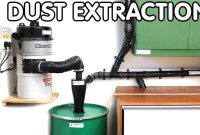
Keeping your home clean and free of dust is essential for maintaining a healthy and comfortable living environment. Home dust collectors are valuable tools that help remove dust particles, allergens, and other pollutants from the air.
Whether you are looking to improve your indoor air quality or reduce dust accumulation, this comprehensive guide will provide you with all the information you need to choose the best home dust collector and use it effectively.
Dust collectors operate on similar principles to vacuum cleaners, but they are designed for continuous operation and can handle larger volumes of dust. They can be installed in different locations, such as the basement, garage, or utility room, and connected to a central ducting system that runs throughout the house.
home dust collector
Home dust collectors are valuable tools for maintaining clean indoor air and reducing dust accumulation. Here are 5 important points to consider:
- Improves indoor air quality
- Removes dust, allergens, and pollutants
- Continuous operation and large capacity
- Versatile installation options
- Requires regular maintenance
Regular maintenance of your home dust collector is crucial to ensure its optimal performance and longevity. This includes tasks such as emptying the dustbin, cleaning the filters, and inspecting the ducting system for any damage or blockages.
Improves indoor air quality
Home dust collectors play a crucial role in improving indoor air quality by effectively removing various pollutants and contaminants from the air.
- Removes dust particles:Dust particles are a major source of indoor air pollution. They can carry allergens, such as pollen, pet dander, and dust mites, which can trigger allergies and asthma. Home dust collectors efficiently capture these dust particles, preventing them from circulating in the air.
- Eliminates harmful pollutants:Indoor air can be contaminated with harmful pollutants, including volatile organic compounds (VOCs) and particulate matter (PM). VOCs are emitted from various household products, such as cleaning agents, paints, and building materials. PM includes fine particles that can penetrate deep into the lungs and cause respiratory problems. Home dust collectors effectively remove these pollutants from the air, creating a healthier indoor environment.
- Reduces allergens:For individuals with allergies or asthma, home dust collectors can provide significant relief by reducing the levels of allergens in the air. By capturing pollen, pet dander, and dust mites, these devices help alleviate allergy symptoms and improve overall respiratory health.
- Promotes a comfortable living environment:A home with clean indoor air is more comfortable and pleasant to live in. Reduced dust and pollutants lead to a cleaner and healthier environment, promoting better sleep, improved mood, and increased productivity.
Regular use of a home dust collector can significantly improve indoor air quality, leading to a healthier and more comfortable living environment.
Removes dust, allergens, and pollutants
Home dust collectors are highly effective in removing dust, allergens, and pollutants from indoor air, creating a cleaner and healthier living environment.
Dust particles: Dust particles are a common source of indoor air pollution and can carry various allergens, including pollen, pet dander, and dust mites. These allergens can trigger allergic reactions, such as sneezing, runny nose, and itchy eyes. Home dust collectors capture these dust particles by drawing air through a filter system, which traps the particles and prevents them from circulating in the air. This can significantly reduce the levels of allergens in the home and improve indoor air quality.
Harmful pollutants: Indoor air can be contaminated with harmful pollutants, including volatile organic compounds (VOCs) and particulate matter (PM). VOCs are emitted from various household products, such as cleaning agents, paints, and building materials. PM includes fine particles that can penetrate deep into the lungs and cause respiratory problems. Home dust collectors effectively remove these pollutants from the air by using a combination of filters and air purification technologies. The filters capture PM particles, while the air purification technologies, such as activated carbon or HEPA filters, remove VOCs and other gaseous pollutants.
Allergens: For individuals with allergies or asthma, home dust collectors can provide significant relief by reducing the levels of allergens in the air. By capturing pollen, pet dander, and dust mites, these devices help alleviate allergy symptoms and improve overall respiratory health. This can lead to a better quality of life for those suffering from allergies or asthma.
Promotes a healthier living environment: By removing dust, allergens, and pollutants from the air, home dust collectors create a cleaner and healthier living environment. This can lead to improved overall health and well-being, including better sleep, improved mood, and increased productivity.
Regular use of a home dust collector can significantly reduce the levels of dust, allergens, and pollutants in indoor air, resulting in a healthier and more comfortable living environment.
Continuous operation and large capacity
Home dust collectors are designed for continuous operation and have a large capacity to handle significant amounts of dust and pollutants.
Continuous operation: Unlike traditional vacuum cleaners that are used for short periods of time, home dust collectors are designed to run continuously. This allows them to effectively remove dust and pollutants from the air 24 hours a day, 7 days a week. This continuous operation ensures that the indoor air quality is consistently maintained at a high level.
Large capacity: Home dust collectors have large dustbins and filters to accommodate the large volume of dust and pollutants they collect. This eliminates the need for frequent emptying and filter changes, saving time and effort. The large capacity also ensures that the dust collector can operate continuously without interruption, providing uninterrupted air purification.
Benefits of continuous operation and large capacity: The continuous operation and large capacity of home dust collectors offer several benefits:
- Improved indoor air quality: By continuously removing dust and pollutants from the air, home dust collectors maintain a consistently high level of indoor air quality, leading to a healthier living environment.
- Reduced maintenance: The large capacity of home dust collectors reduces the frequency of emptying and filter changes, resulting in less maintenance and more convenience.
- Energy efficiency: Home dust collectors are designed to operate efficiently, consuming less energy while providing continuous air purification.
- Peace of mind: Knowing that your home dust collector is running continuously and effectively can provide peace of mind, as you can be assured that you and your family are breathing clean and healthy air.
The continuous operation and large capacity of home dust collectors make them an ideal solution for maintaining a clean and healthy indoor environment.
Versatile installation options
Home dust collectors offer versatile installation options to suit different needs and preferences.
- Centralized system:A centralized home dust collector system is installed in a central location, such as the basement or garage, and connected to a network of ducts that run throughout the house. This system provides whole-house air purification and can be used to remove dust and pollutants from multiple rooms simultaneously.
- Portable unit:Portable home dust collectors are standalone units that can be easily moved from room to room. They are ideal for spot cleaning or for use in smaller spaces. Portable units are also a good option for renters or those who do not want to install a permanent system.
- In-duct system:In-duct home dust collectors are installed directly into the ductwork of your HVAC system. This allows them to remove dust and pollutants from the air as it circulates through the house. In-duct systems are a good option for those who already have a central HVAC system and want to improve their indoor air quality.
- Window-mounted unit:Window-mounted home dust collectors are installed in a window and draw air from the outside. They are a good option for smaller spaces or for those who do not have a central HVAC system. Window-mounted units are also relatively easy to install and remove.
The versatility of home dust collector installation options allows you to choose the system that best meets your needs and budget. Whether you have a large house or a small apartment, there is a home dust collector that can help you improve your indoor air quality.
Requires regular maintenance
Like any mechanical device, home dust collectors require regular maintenance to ensure optimal performance and longevity.
Importance of maintenance: Regular maintenance of your home dust collector is essential for several reasons:
- Maintain air quality: A well-maintained dust collector will continue to effectively remove dust, allergens, and pollutants from the air, ensuring that your indoor air quality remains high.
- Prevent breakdowns: Regular maintenance can help prevent unexpected breakdowns and keep your dust collector operating smoothly.
- Extend lifespan: Proper maintenance can extend the lifespan of your dust collector, saving you money in the long run.
Maintenance tasks: Regular maintenance of a home dust collector typically involves the following tasks:
- Emptying the dustbin: The dustbin should be emptied regularly to prevent it from overflowing and compromising the performance of the dust collector.
- Cleaning the filters: The filters should be cleaned or replaced according to the manufacturer’s instructions. Clogged filters can restrict airflow and reduce the effectiveness of the dust collector.
- Inspecting the ducting system: If you have a centralized dust collector system, it is important to periodically inspect the ducting system for any damage or blockages.
- Checking the motor and other components: The motor and other components of the dust collector should be inspected regularly to ensure they are functioning properly.
The frequency of maintenance will depend on the type of dust collector you have and the amount of dust and pollutants in your home. It is generally recommended to perform maintenance every few months or as needed.
By following a regular maintenance schedule, you can ensure that your home dust collector continues to operate effectively and efficiently, providing you with clean and healthy indoor air.
FAQ
Here are some frequently asked questions about home dust collectors:
Question 1: What is a home dust collector?
Answer 1: A home dust collector is a device that removes dust, allergens, and pollutants from the air in your home. It is typically installed in a central location, such as the basement or garage, and connected to a network of ducts that run throughout the house.
Question 2: How does a home dust collector work?
Answer 2: A home dust collector works by drawing air through a filter system. The filter traps dust, allergens, and pollutants, while the clean air is returned to the house. Some dust collectors also use additional technologies, such as activated carbon or HEPA filters, to remove gaseous pollutants and ultrafine particles.
Question 3: What are the benefits of having a home dust collector?
Answer 3: There are many benefits to having a home dust collector, including improved indoor air quality, reduced allergy and asthma symptoms, a cleaner and healthier living environment, and peace of mind knowing that you and your family are breathing clean air.
Question 4: What are the different types of home dust collectors?
Answer 4: There are three main types of home dust collectors: centralized systems, portable units, and in-duct systems. Centralized systems are installed in a central location and connected to a network of ducts. Portable units are standalone units that can be moved from room to room. In-duct systems are installed directly into the ductwork of your HVAC system.
Question 5: How do I choose the right home dust collector for my needs?
Answer 5: The best home dust collector for you will depend on the size of your home, the level of air pollution in your area, and your budget. It is important to choose a dust collector that is powerful enough to handle the amount of dust and pollutants in your home. You should also consider the installation options and maintenance requirements of different types of dust collectors.
Question 6: How do I maintain my home dust collector?
Answer 6: Regular maintenance is essential to keep your home dust collector operating effectively and efficiently. Maintenance tasks typically include emptying the dustbin, cleaning or replacing the filters, and inspecting the ducting system (if you have a centralized system). The frequency of maintenance will depend on the type of dust collector you have and the amount of dust and pollutants in your home.
Question 7: How much does a home dust collector cost?
Answer 7: The cost of a home dust collector can vary depending on the type of system, the size of your home, and the installation requirements. Centralized systems are typically the most expensive, while portable units are the most affordable. In-duct systems fall somewhere in between.
Consulting with a qualified HVAC contractor can help you determine the best home dust collector for your needs and budget.
Regular maintenance and proper use of your home dust collector can help ensure that you and your family are breathing clean and healthy air.
Tips
Here are a few tips for getting the most out of your home dust collector:
Tip 1: Choose the right location: If you have a centralized dust collector system, choose a location that is central to your home and has easy access to the ductwork. For a portable unit, choose a location where it can easily draw air from the room, such as a central hallway or living room.
Tip 2: Maintain your dust collector regularly: Regular maintenance is essential to keep your dust collector operating effectively and efficiently. Empty the dustbin, clean or replace the filters, and inspect the ducting system (if you have a centralized system) according to the manufacturer’s instructions.
Tip 3: Use your dust collector continuously: Home dust collectors are designed for continuous operation. By running your dust collector 24/7, you can ensure that it is constantly removing dust and pollutants from the air.
Tip 4: Keep your home clean: Dusting and vacuuming regularly can help reduce the amount of dust and pollutants in your home, making it easier for your dust collector to keep the air clean.
Tip 5: Consider your indoor air quality needs: If you have allergies or asthma, or if you live in an area with high levels of air pollution, you may want to consider a home dust collector with additional features, such as activated carbon or HEPA filters, to remove gaseous pollutants and ultrafine particles.
By following these tips, you can ensure that your home dust collector is working properly and providing you with clean and healthy indoor air.
A home dust collector is a valuable investment in the health and well-being of your family. By choosing the right system, maintaining it properly, and using it effectively, you can create a cleaner and healthier living environment.
Conclusion
Home dust collectors are valuable devices that can significantly improve indoor air quality and create a healthier living environment for you and your family. By removing dust, allergens, and pollutants from the air, home dust collectors can help to reduce allergy and asthma symptoms, improve sleep, boost productivity, and promote overall well-being.
When choosing a home dust collector, it is important to consider the size of your home, the level of air pollution in your area, and your budget. There are three main types of home dust collectors: centralized systems, portable units, and in-duct systems. Centralized systems are the most powerful and effective, but they are also the most expensive and require professional installation. Portable units are more affordable and easy to install, but they are less powerful. In-duct systems are installed directly into the ductwork of your HVAC system, making them a good option for homes that already have central air conditioning or heating.
Regular maintenance is essential to keep your home dust collector operating effectively and efficiently. This includes emptying the dustbin, cleaning or replacing the filters, and inspecting the ducting system (if you have a centralized system). The frequency of maintenance will depend on the type of dust collector you have and the amount of dust and pollutants in your home.
By following the tips and advice provided in this guide, you can choose the right home dust collector for your needs and use it effectively to improve your indoor air quality and create a healthier and more comfortable living environment.
Investing in a home dust collector is an investment in the health and well-being of your family. By taking steps to improve your indoor air quality, you can create a healthier and more enjoyable home environment for everyone.
:max_bytes(150000):strip_icc()/movie-playing-on-projection-screen-in-home-theater-915093896-5bdb7eb0c9e77c0026d2970f-52f2860826054782a4fc48b588e441fe.jpg?w=200&resize=200,135&ssl=1 "home theatre system installation")